

Purchasing a property constitutes one of the most substantial financial decisions the majority of people will make
In the UK, although a mortgage lender’s valuation is frequently mandatory, it delivers only restricted information regarding the property’s true state.
Professional house surveys, notably those adhering to the Royal Institution of Chartered Surveyors (RICS) Home Survey Standard, therefore become crucial.
Connect with our Preferred Supplier for Surveys including Home Buyer Reports in Studham
Home Buyer Reports Studham requirement? Then just use the contact form. One of the recommended Surveying Team who provide RICS Home Buyer Surveys Studham will give you a call, they have a strong reputation for competitive pricing and UK postcode coverage, so please do not hesitate to get in touch.
TO REQUEST A SURVEY QUOTE...
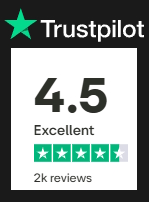
OUR RICS PREFERRED SUPPLIER's RATING is...
Survey Options Continued...
Since its introduction in March 2021, the standard has outlined three levels of RICS Home Surveys—Levels 1, 2, and 3—designed around the property’s age, condition, complexity, and the purchaser’s specific needs. Performed through visual inspections by RICS-qualified professionals, the surveys differ notably in their depth, extent, and the level of information in the final document. Picking the correct level can safeguard buyers against surprise repair costs that could total many thousands of pounds.
This piece explores each level extensively, offers comparisons, and gives direction on selecting the best one. Surveys help reveal defects, ongoing maintenance needs, and any potential legal or safety problems before contracts are exchanged. Problems like damp, ground movement, roof troubles, or antiquated wiring often escape notice on viewings.
Moreover, surveys can reinforce your bargaining power since purchasers have frequently achieved price reductions after surveys exposed high-cost repairs. Surveys must not be confused with the lender’s mortgage valuation, which primarily assesses whether the property is suitable collateral for the mortgage. The valuation primarily serves the lender and not the buyer.
Scotland follows a separate procedure in which sellers normally furnish a Home Report that includes a Level 2 style survey and valuation.
Level 1, previously known as the Condition Report, is the most rudimentary and cost-effective alternative. This option fits newer, standard properties made with typical materials that appear to be in good order, for instance modern houses or flats with limited changes. Accessible areas receive visual inspection and the property’s build and condition on the inspection day are described.
Traffic-light style ratings are employed for various elements, alongside identification of evident risks, urgent defects, and potential legal issues.
Advice concerning repairs and maintenance is limited, and valuation is generally excluded though it can occasionally be requested as an addition. It provides a helpful overview for low-risk buys but is often thought too elementary by experts for most purchasers.
The Level 2 survey, earlier known as the HomeBuyer Report, continues to be the favourite for conventional properties in reasonable order. It offers equilibrium between comprehensiveness and price, suiting the majority of post-war houses, flats, or bungalows without large extensions or unusual elements. More detailed condition descriptions feature together with advice on defects likely to impact value or need maintenance and repairs, and more extensive roof space and drainage inspections where accessible. Serious matters, urgent repairs, and potential hidden faults are flagged, facilitating budgeting for future tasks. A market valuation and insurance reinstatement cost can be added as an optional extra.
Level 3, earlier the Building Survey or Full Structural Survey, offers the most complete and precise choice. Recommendations apply to older homes, particularly those predating 1850 or Victorian/Edwardian examples, listed buildings, non-traditional builds, significant changes, extensions, deteriorated states, or intended large-scale works. The process features a wider and deeper visual examination of numerous elements, with enhanced access to roof spaces, floors, cellars, and external areas when safe and practical. The report analyses in detail how the property was constructed, the materials employed, and their probable future performance. Visible defects and possible hidden defects are described along with causes and consequences; counsel is provided on repair possibilities, timescales, results of inaction, and approximate costs. Although not fully invasive, it involves greater movement of items and more probing checks compared to lower levels. Key practical differences arise in the inspection of windows, roof spaces, and floors, with Level 3 featuring considerably more hands-on examination.
In addition to the core levels, targeted defect surveys address single issues like dampness or subsidence. Vendor surveys permit sellers to obtain reports that expedite sales and promote trust. Inform the surveyor about any particular issues early on to enable adjustments or expert referrals.

Whether one selects the straightforward Level 1, the balanced Level 2, or the comprehensive Level 3, an RICS Home Survey constitutes a prudent investment in one’s future home. It equips buyers to make well-informed decisions, potentially saves money through negotiations or by avoiding unsuitable purchases, and delivers essential peace of mind.
In a market where hidden defects can transform dreams into costly difficulties, grasping these survey levels prepares buyers to move forward with assurance.